-
EOV: Ecological Outcome Verification
Across our Cévennes pastures, we use holistic grazing and measure our results each year through EOV – Ecological Outcome Verification, an independent scientific protocol developed by the Savory Institute. What is EOV:EOV tracks real outcomes in the field — soil cover, biodiversity, water infiltration, and stability — to verify whether our land is truly regenerating.…
-
The importance of Carbon to Nitrogen ratio in prairie soils
In this article I want to explain and emphasise on the effect of grazing and mowing on the C/N (Carbon to Nitrogen) ratio in prairie soils, and why a balanced C/N ratio is so important. What is the C/N ratio and why is it important? The C/N ratio represents the amount of carbon and Nitrogen…
-
Predator Prey relationship in grazing management
In this article I wanted to explain one of the 4 key insights of holistic management; the predator prey relationship. So the interaction grazing animals have with their predators. In nature nothing is independent, everything is interdependent and acts as one big whole. Just as the relationship between the grazing animals and their predators (Lions,…
-
How to determine the recovery period for the pasture.
Recovery vs Rest. Before getting into how to determine the right recovery time, I wanted to define the difference between rest and recovery. Recovery is when the plant actively grows, as rest is the total period where the prairie has no grazing. So recovery happens mainly in the growing season. With that in mind, let’s…
-
Managing Grazing: Time vs Quantity
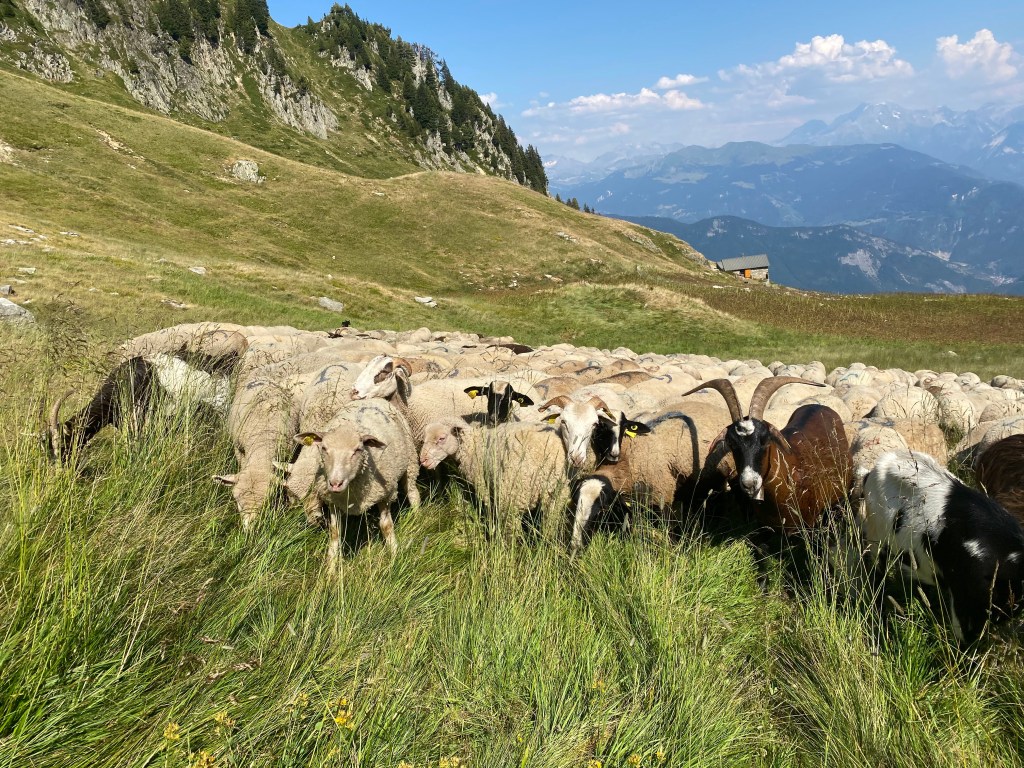
When looking at pasture production we usually think in quantity of grass. So how many kg/ha of grass did I grow? Or how many bales of hay did I harvest. Also when measuring a pasture with, for example a plate meter, we look at the biomass production. These are of course important measurements, we can…
-
Première années dans les Cévennes: nos apprentissages
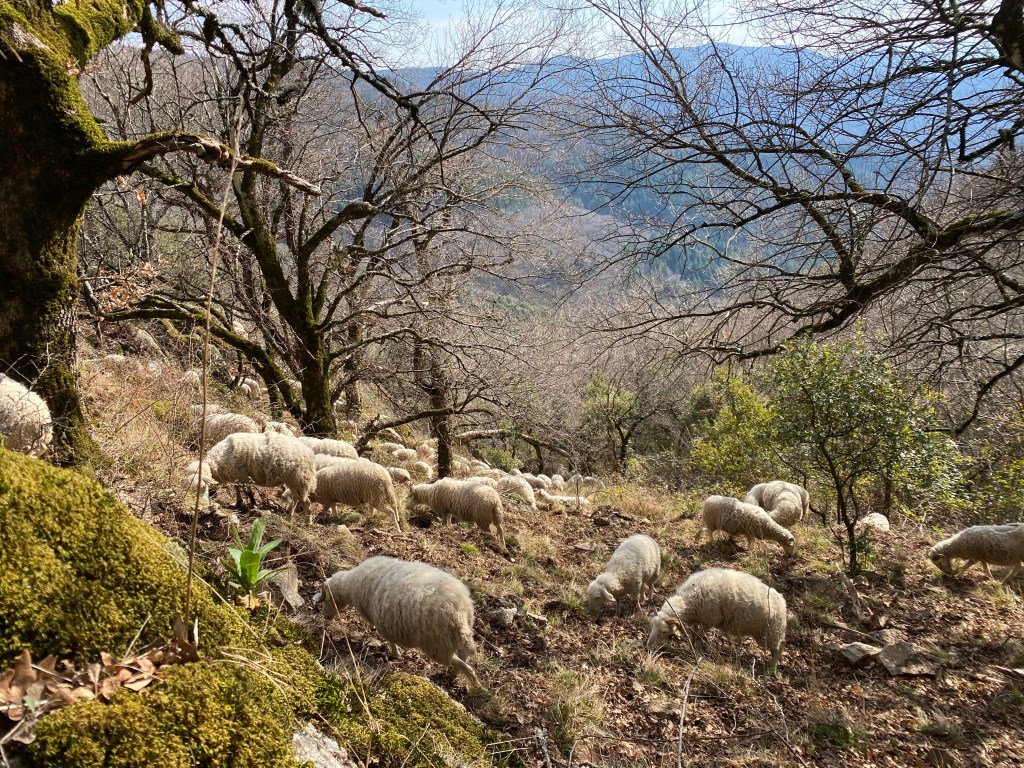
Cela fait un an que Friendly Flock a été enregistré en tant qu’EARL (entreprise à responsabilité limitée en agriculture) dans les Cévennes. Je me suis donc dit que j’allais écrire sur ce que nous avons réalisé en termes de notre pâturage régénératif et sur ce qui n’a pas encore fonctionné aussi bien. It’s been a…
-
The science behind Soil Organic Matter formation (SOM) , and how good managed grazing might be our best tool to increase it.
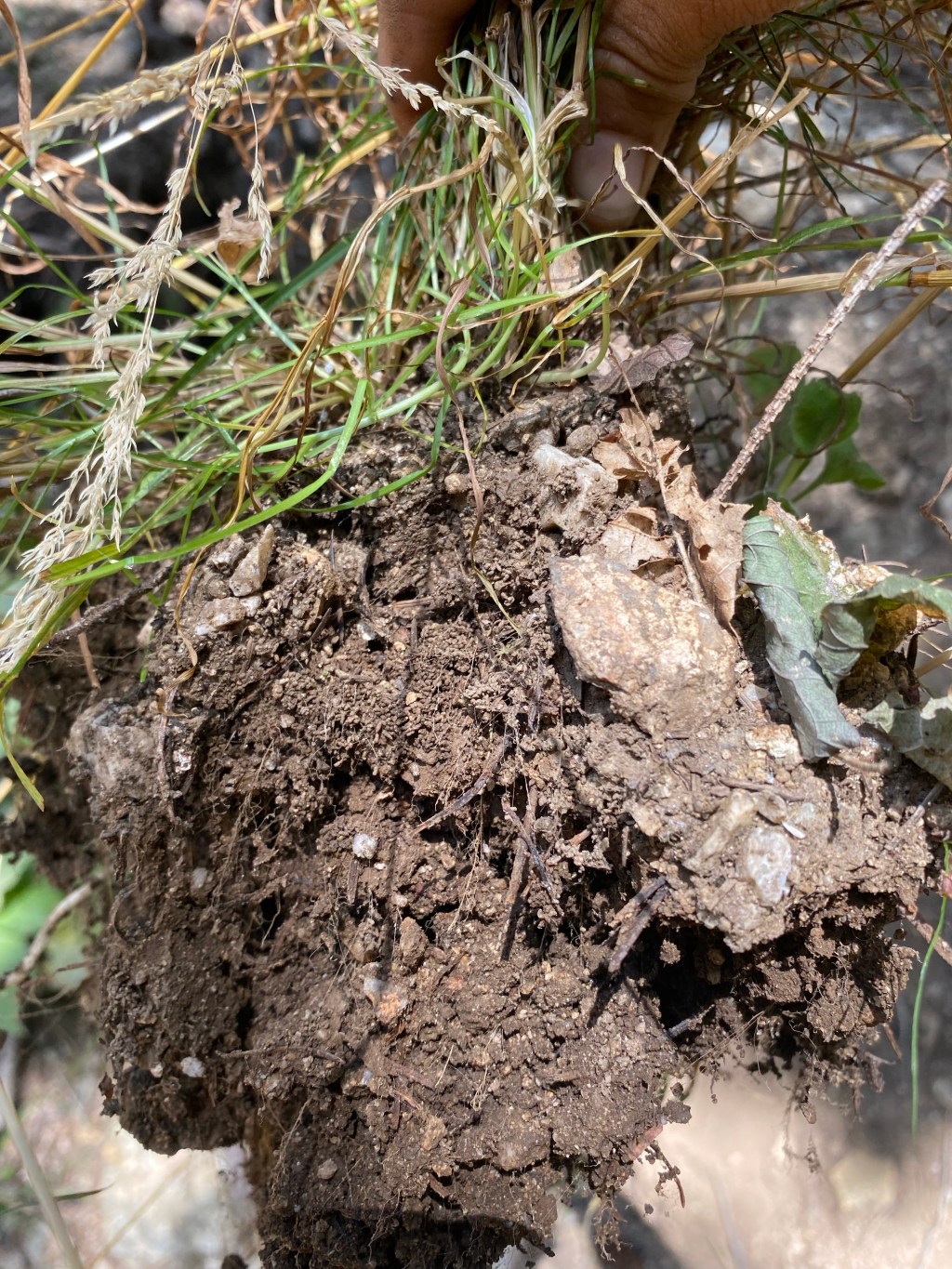
It has been quite some time since I didn’t write anything in the blog, so I thought I might restart with something interesting: The science behind Soil Organic Matter formation (SOM) , and how good managed grazing might be our best tool to increase it. Let’s start with some basics on the old paradigme of…
-
The Parasite and the sheep
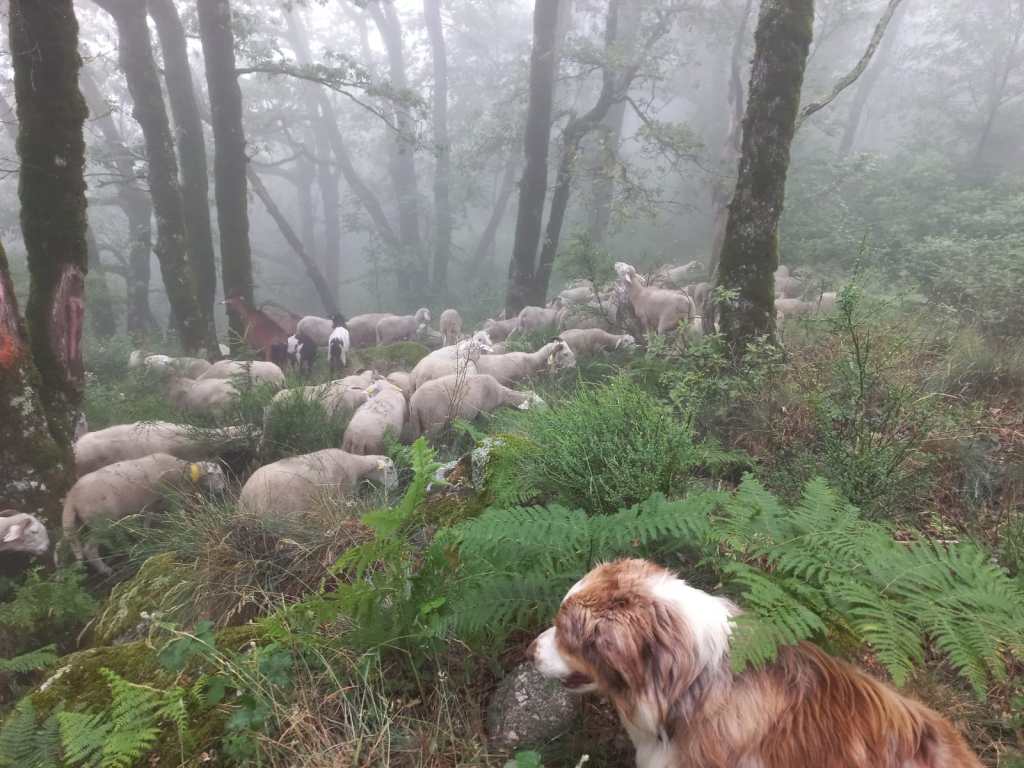
It’s been 1 month now since we bought our flock and where they are at the moment they have more food than they could handle. But even with all of that food and a good diversity in their diet, they just dont get fat. So we took a sample of their droppings for worms. The…
-
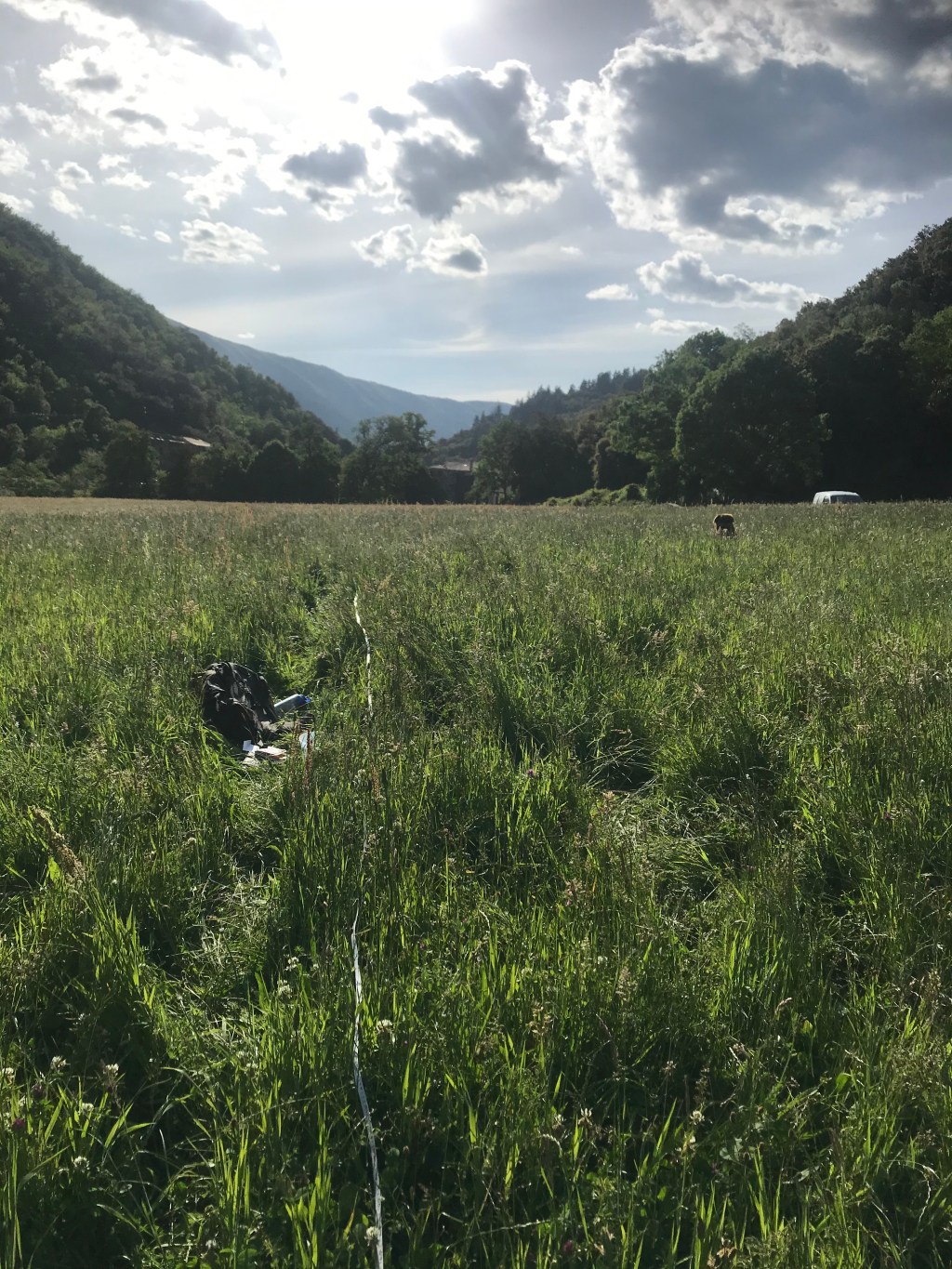
Ecological Monitoring // Monitoring écologique
The Feedback Loop Nature is constantly changing, she can change fast or very slowly. Usually we only notice the changes that come fast. If for example a plant community in our field is slowly changing to something less desirable (like a plant species that might indicate soil degradation), we usually notice it when its already…
-
Local Microorganisms / Les Micro-Organismes locaux.
Today I wanted to write about how I cultivate local micro-organismes. I will start with the idea behind using them. We have a lot of rosebush, brush and wood on our land we manage. So many that not even goats can pass through them. As we dont have pigs (yet), I have to shred them…
 Friendly Flock